
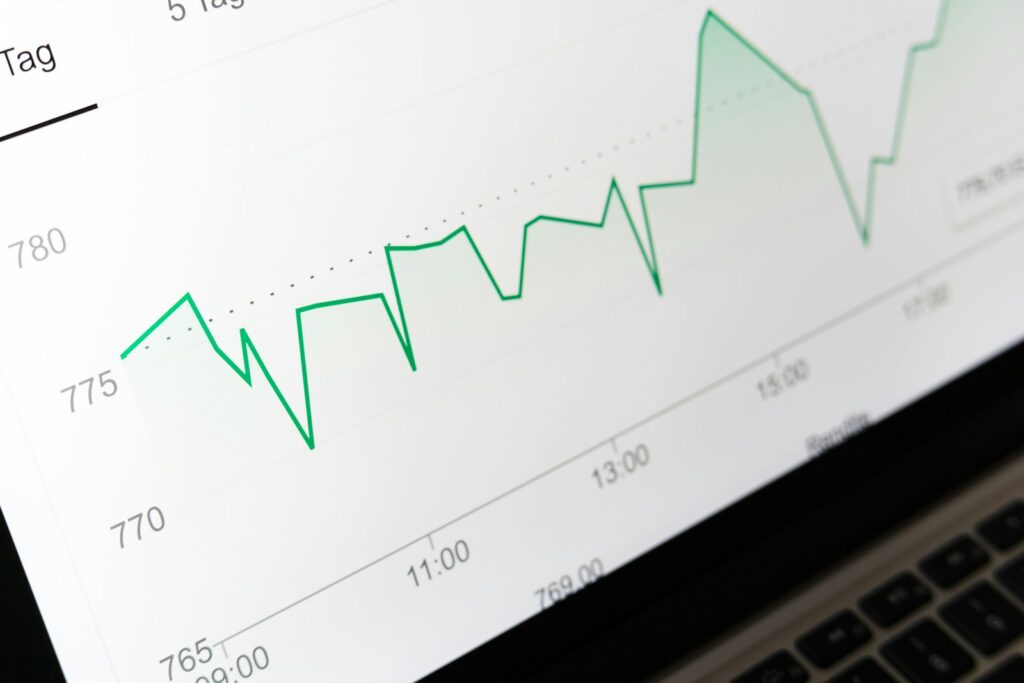
Have you ever looked at a product online and told yourself you will sleep on it, only to see the price hiked up the next time you check? Whilst that may have just been a sad and annoying coincidence, it was most probably algorithmic pricing (AP) doing its thing, and it is a shady side of modern sales.
The sad truth about AP is that it appears to be used by many of today’s online brands as it promises to maximise the price paid by the customer. Think of it as a form of automated price gouging, which is a system that figures out how much you need a product versus its availability and makes up a price there and then. Understandably, companies tend to love it because it maximises price efficiency, but consumers are less than thrilled in general.
However, not all AP models are the same, and whilst one seems almost fair, the other tends to sting a little more on the unfairness scale:
Dynamic Pricing (Market Centric): Prices fluctuate in real-time based on market conditions like demand, supply, and competitor behaviour. Crucially, the price is the same for all consumers at any given moment.
Surveillance Pricing (Individual-Centric): Also known as personalised pricing, this model uses granular data profiles, such as browsing history, device type, location, and even estimated income, to tailor a specific price to a specific person. Two people looking at the same item at the same time may see different prices based on their willingness to pay (WTP).
The Shadow Infrastructure
Most companies do not build these tools. Instead, they buy them from a network of specialised vendors and data providers currently under FTC scrutiny. There are a few categories of these specialised vendors, and they approach the function slightly differently:
Retail Optimisers: These use AI to optimise SKU-level prices for major chains like Home Depot and PetSmart.
Personalisation: This technology analyses your mouse movements and browsing to steer high-value customers toward expensive items.
Loyalty/Apps: This connects loyalty data to price-setting algorithms to find your maximum willingness to pay based on your historic choices.
Financial Data: This leverages transaction and banking data from major financial institutions to help merchants target consumer spending habits.
Strategy: Global consulting firms provide the actual algorithmic infrastructure to operationalise profit maximisation at scale.
Major Example Cases
There have been several high-profile cases of companies working on AP solutions that gained legal scrutiny.
Take Amazon’s Project Nessie for example. This was a price-signalling tool that would monitor if key competitors would match price hikes. If they did, the higher price was locked in, but if not, the price reverted back. Currently, the FTC has an open antitrust case on this one that alleges it generated over $1 billion in excess profit.
Another example is from RealPage, which is a housing software company. This model worked by pooling private data from landlords to recommend rental prices. The DOJ alleges that this represented a technical cartel that encouraged landlords to keep prices high even when occupancy dropped. A lawsuit was launched to challenge this shared-data model.
One for the music fans out there was Ticketmaster, where fans faced In Demand pricing that saw tickets jump from £135 to over £350 while they were in the queue for the Oasis reunion. Ticketmaster was forced into legal undertakings by UK regulators requiring them to disclose tiered pricing 24 hours in advance and stop using deceptive marketing labels.
What these examples show us is that data is the new gold for commercial entities. Not only are our behaviours tracked and used to calculate our future choices, but our financial and search data are now sold to companies to assist with more sophisticated methods of doing so.
The Marketplace Outlook
There is some good news, however, as regulators such as the FTC in the USA and the CMA in the UK are now taking a firmer line.
Essentially, regulators are moving toward a glass box marketplace. They aren’t necessarily banning the use of AP, but they are taking the line that users have a right to know how and why a price was set. This involves mandating that companies disclose when an algorithm is in charge and exactly what data it is using to target you.
Whilst this is a step in the right direction, the advancements in AI will undoubtedly find alternative ways to drive pricing mechanisms. The game of cat and mouse between tech and regulation will not end here, it will simply take a new turn.
So, the next time you return to a product to see the price, try to do it in incognito mode on your browser, or use a browser that doesn’t track you, as it will give you a fighting chance at least.