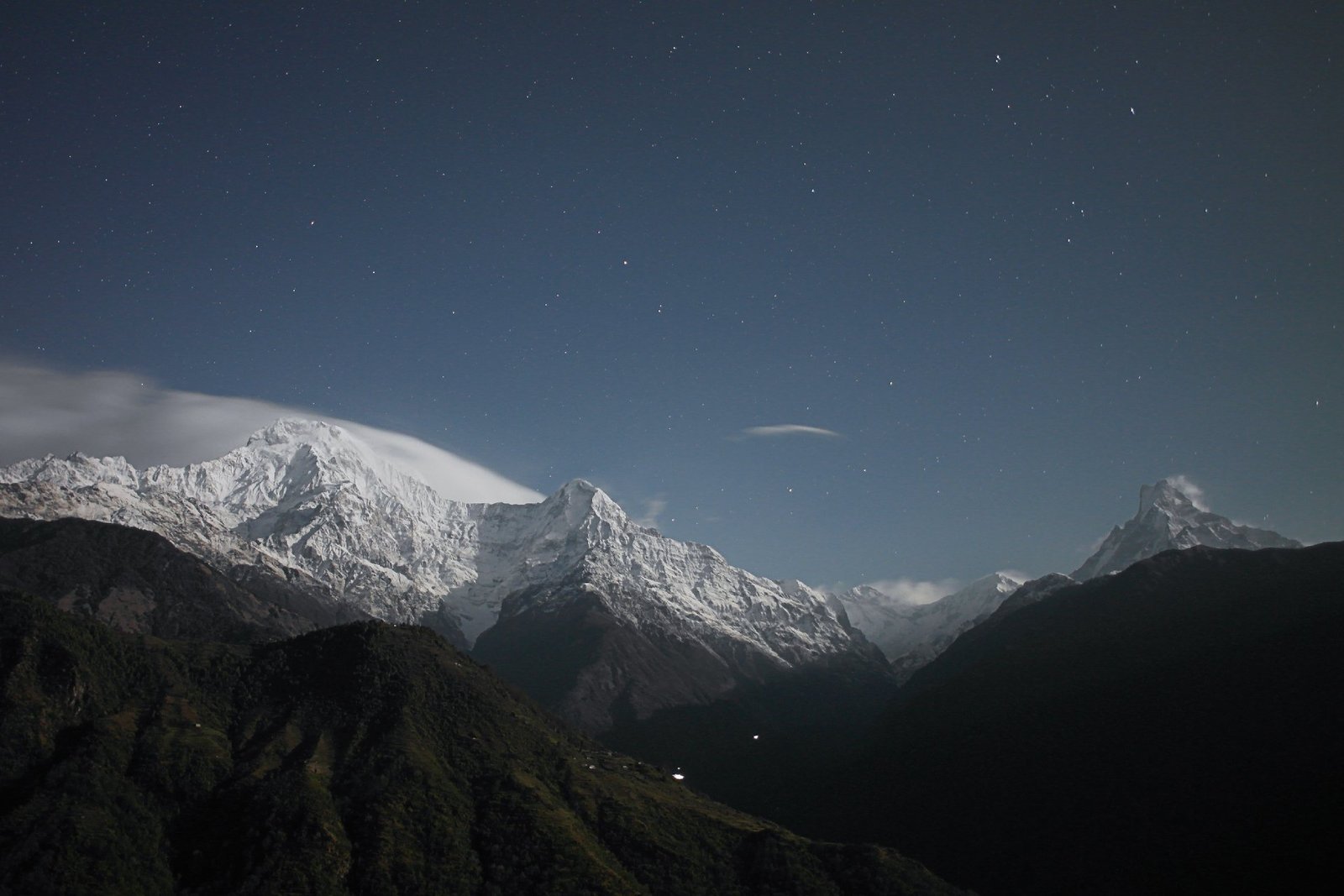
There’s a whole world sitting under Antarctica that hasn’t seen daylight since the planet decided ice was the new décor, roughly 33 million years ago. Valleys, ridges, old river carved terrain, the kind of landscape you only get when water used to run freely across rock. People have been piecing it together with radar and remote sensing for years, and some of the clearest work on this ancient terrain comes out of the ancient river landscape research.
It’s an incredible discovery. It also comes with caveats, because everything does now. The world we live in takes a scientific breakthrough and immediately asks, “Cool. Can we weaponise it, monetise it, or accidentally unleash something we don’t understand?”
A gift from the ice, and a bill for the coastlines
If this hidden land is being “revealed” in the physical sense, that means the ice above it is changing. Better mapping is part of the story, sure, but the wider context is a planet with a warming ocean and a nervous cryosphere.
West Antarctica is a reminder that the shape underneath matters. There’s a gigantic subglacial trench that’s been described as deeper than the Grand Canyon, and it’s not just a fun fact for pub quizzes. Deep inland basins that sit below sea level create pathways for warmer water to get in under ice shelves and start nudging the system into retreat. The Giant Trench piece covers the scale of it.
So when people get excited about “new land”, I get it. Just keep one eye on the other side of the equation. Low lying places don’t get a little celebratory plaque that says “sorry about your country, but look at this cool valley”.
Resources: humans have form here
The moment you say “unexplored continent”, somebody somewhere starts thinking about what’s under it. Not in the curious way. In the spreadsheet way.
Antarctica already has known geological signals. The USGS has been blunt for years about mineral resource potential, and there’s older deep dive material like Princeton’s Potential Mineral Resources assessment that lays out the kinds of deposits you’d expect in places with this tectonic history.
Right now, the system has a lock on it. The Antarctic governance setup exists for a reason. The trouble is, locks attract hands. The Antarctic Treaty Explained gives the broad logic, and the New Zealand government overview of the Antarctic Treaty System gets into the machinery, including the mineral ban under the Madrid Protocol.
Then you hit the uncomfortable calendar date. 2048. The Madrid Protocol’s review mechanism means the conversation can be formally reopened after then. It doesn’t magically legalise mining. It does turn the run up to 2048 into an era of positioning. People don’t wait for the buzzer. They start moving pieces early.
If you want a sense of how quickly this turns political, the Lowy Institute discussion on Russia and the treaty pressures is worth your time. There are also takes on the wider fault lines like Georgetown’s Emerging Cracks analysis. Add in dual use infrastructure and it gets spicy. “Science stations” can do real science, and they can also support strategic systems. That isn’t paranoia, it’s how states behave. CSIS lays out the shape of China’s polar ambitions in Frozen Frontiers.
What happens when humans find unclaimed resources? We don’t sit around holding hands. We argue. We claim. We build. We rewrite the story after.
Biology: beautiful, weird, and occasionally inconvenient
The subglacial environment is basically a sealed time capsule. Lakes and sediments that have been cut off for ages. When we sample them, we’re not just getting “a few bacteria”. We’re getting life that’s adapted to pressure, cold, darkness, low energy, and isolation. Mercer Subglacial Lake is one of the most famous examples, and the DRI write up on Mercer Subglacial Lake gives a taste of how much novelty sits down there.
That’s the exciting side. New biology. New chemistry. Better understanding of the limits of life, which plugs straight into astrobiology conversations, including work like Cambridge’s ocean worlds angle.
The awkward side is risk. Not Hollywood. Real world uncertainty. Ancient frozen environments can preserve things. We’ve already got warning labels from the Arctic about thawing and disease risks. MUSC’s climate meets contagion overview and the discussion around ancient viruses like Pandoravirus give the vibe.
That’s why planetary protection style standards keep showing up in this field. If you drill into sealed ecosystems, contamination goes both ways. The governance and protocols side of this is covered well in Frontiers on the Exploration of Subglacial Antarctica, and NASA’s own practical notes on Planetary Protection give you the standard of paranoia that serious scientists consider “normal”.
The timing feels dodgy for a reason
This is all happening while society is changing at a speed that makes institutions look slow and tired. AI is eating cognitive labour. Supply chains are hardening. Trust is melting. States are getting twitchy.
Polar melt isn’t a local story either. There’s research linking rapid ice sheet melt to major downstream humanitarian risk via ocean circulation impacts, including Sahel drought scenarios. The PNAS paper on rapid ice sheet melting is the kind of read that makes you stop treating Antarctica like a distant white blob.
So yes, there’s a lost land under the ice. It’s real. It’s massive. It’s going to teach us a lot. It’s also arriving in public consciousness at the exact moment humans are acting more like competing operating systems than a coordinated species.
Only time will tell. A defrost will tell faster.
If you want more of this kind of thing, sign up to the BurstComms newsletter below. No spam, no motivational quotes, no “we value your privacy” theatre. Just the strange stuff that matters, delivered before someone tries to slap a flag on it.